Selecting In Between a Heatpump and Heating System: Trick Factors To Consider for Your HVAC Demands
When examining heating choices for a/c needs, the choice between a warm pump and a heater can be complex. Each system provides unique benefits customized to certain climates and energy efficiency objectives. Recognizing these distinctions is vital for making an educated option. Secret elements such as setup costs and ecological impact further make complex the choice procedure. Which option really aligns with one's convenience and sustainability choices? The adhering to areas will check out these factors to consider carefully.
Comprehending Warmth Pumps: Just How They Function and Their Benefits
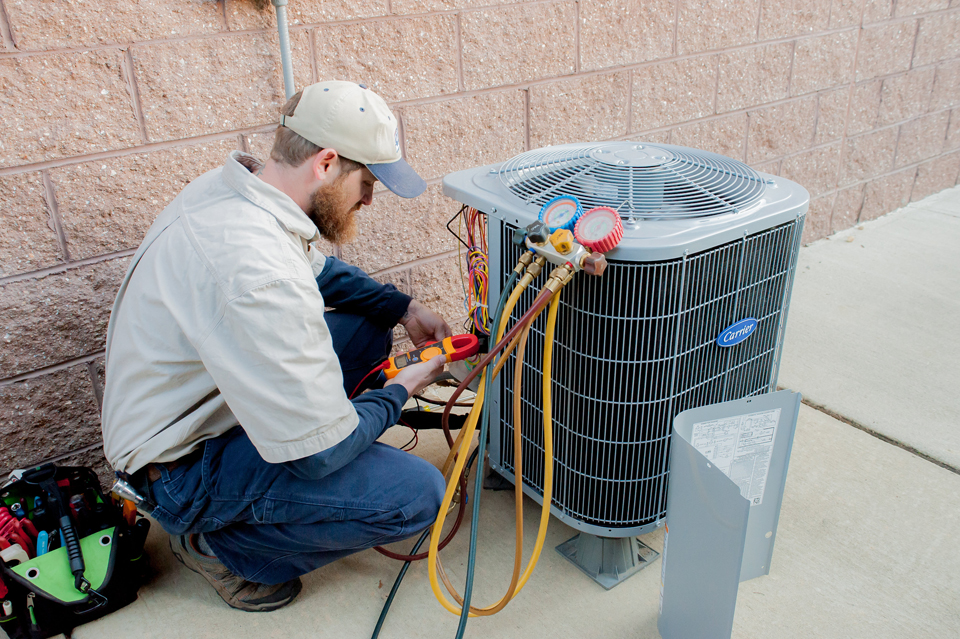
While numerous homeowners think about various heating choices, recognizing just how heat pumps feature and their benefits can considerably affect their choice. Warmth pumps operate by moving warm as opposed to producing it. In the winter, they remove heat from the outdoors air or ground and move it inside your home, while in the summer season, they reverse this procedure, cooling the home by getting rid of warmth outside. This dual capability makes them functional for year-round environment control.One of the key benefits of heat pumps is their energy performance. They make use of considerably less power compared to conventional heating unit, potentially causing reduced utility expenses (heat pump installation ooltewah tn). Additionally, heatpump have a smaller sized carbon footprint, making them an eco-friendly choice. They also call for much less upkeep than standard systems, adding to long-term cost savings. Generally, comprehending the technicians and benefits of heatpump can aid homeowners make informed decisions regarding their home heating and cooling down needs
Checking Out Heating Systems: Kinds, Procedure, and Benefits
Heating systems are available in different kinds, including gas, electric, and oil designs, each with distinctive operational systems. Recognizing these distinctions is vital, as they impact effectiveness and heating performance. In addition, furnaces offer numerous advantages, such as consistent warm result and dependability in cooler climates.
Types of Furnaces
Heating unit can differ substantially in style and procedure, with heaters being a prominent choice among home owners. There are numerous kinds of heaters, each utilizing different gas resources and technologies. Gas heaters prevail, leveraging gas to generate warmth successfully. Electric heating systems, on the various other hand, utilize electrical resistance to produce heat, commonly favored for their uncomplicated setup. Oil heaters, while less common, work in locations with restricted gas access (furnace replacement). Furthermore, condensing heaters make best use of power performance by reusing and capturing exhaust gases. Each kind operates with a system of heat exchangers and ductwork to disperse cozy air throughout a home. Understanding the distinctions in between these furnace types is necessary for informed a/c choices
Advantages of Furnaces
For house owners looking for trusted warmth during cool months, the benefits of furnaces are significant. Heating systems provide consistent heating, making sure also temperature levels throughout the home. They are especially reliable in severe cool, frequently outmatching heatpump in frigid conditions. Different kinds, including gas, electric, and oil heaters, use adaptability to satisfy varied needs and preferences.Furnaces also tend to have lower preliminary installment prices contrasted to heatpump, making them an extra accessible option for numerous. Their robust design adds to a much longer lifespan, with many units lasting over 15 years with correct upkeep. In addition, modern-day furnaces are commonly furnished with sophisticated modern technology for enhanced effectiveness, which can bring about decreased power expenses. Generally, heaters continue to be a trustworthy choice for efficient home heating.
Energy Performance: Comparing Warmth Pumps and Furnaces
When comparing power effectiveness in between heatpump and heaters, the Seasonal Power Efficiency Ratio (SEER) plays an essential duty in establishing efficiency. Additionally, an operational price evaluation reveals the lasting financial ramifications of each system. Recognizing these factors can assist home owners in making informed decisions concerning their home heating solutions.
Seasonal Energy Performance Ratio
Energy effectiveness plays a crucial role in the decision-making process between heatpump and heating systems, especially when thinking about the Seasonal Energy Effectiveness Ratio (SEER) This metric actions the cooling efficiency of heatpump over an entire cooling season, offering a standardized way to review efficiency. Greater SEER rankings show better energy efficiency, equating to lower energy consumption and decreased utility costs. On the other hand, heating systems are generally evaluated making use of the Yearly Fuel Application Effectiveness (AFUE) rating, which mirrors home heating performance. When contrasting these 2 systems, home owners need to prioritize SEER ratings for heatpump, as they straight effect general energy financial savings and ecological sustainability. A comprehensive understanding of SEER can notably affect the lasting contentment and cost-effectiveness of the picked a/c service.
Functional Expense Evaluation
Comprehending the operational prices connected with warm pumps and heaters is crucial for property owners assessing their options. Warm pumps commonly use higher power effectiveness, converting electrical power right into warm with minimal waste. This causes reduced regular monthly utility expenses, especially in moderate environments. On the other hand, conventional heaters, especially gas versions, may have lower upfront expenses yet can sustain greater functional costs with time due to sustain costs and effectiveness ratings.Moreover, warm pumps can function as both home heating and cooling down systems, potentially minimizing the need for different HVAC units. While first investments for heatpump might be greater, their long-term financial savings in power performance can make them a more economical selection for numerous houses. Mindful analysis of regional power prices is vital to identify the most effective alternative.
Installation Costs: What to Expect for every Heater
Setup expenses for heating unit can differ significantly between heat pumps and furnaces, influencing property owners' choices. Heatpump generally have higher in advance setup expenses, normally varying from $3,500 to $8,000, relying on the device dimension and intricacy of setup. This includes the outdoor unit, indoor handling system, and necessary ductwork adjustments. Alternatively, heaters often tend to have find out here reduced preliminary expenses, averaging in between $2,500 and $6,000, which can be appealing for budget-conscious house owners. Nonetheless, setup costs can enhance if considerable ductwork is required.Moreover, the option of gas kind for heaters-- natural gas, lp, or electrical-- can likewise influence installment expenses. While heatpump offer power effectiveness, their initial financial investment may deter some customers. pop over to these guys Ultimately, evaluating installment costs together with long-lasting savings and performance will certainly help home owners in making notified decisions regarding their heater.
Environment Considerations: Which System Carries Out Better in Your Location
How do climate conditions influence the efficiency of heater? The efficiency of warmth pumps and heaters can differ considerably depending upon the regional environment. In moderate climates, heatpump excel by successfully transferring heat from the outside air, making them an energy-saving alternative. Nevertheless, their performance reduces in extremely chilly temperature levels, where they might have a hard time to remove sufficient warmth. Conversely, heating systems, specifically gas models, supply consistent and reputable warmth despite outside problems, making them more suitable in chillier regions.In locations that experience milder winter seasons, warmth pumps can operate effectively year-round, providing both heating & cooling. In contrast, areas with severe winters months frequently gain from the robustness of heating systems. Eventually, comprehending the neighborhood climate is vital when determining in between a warmth pump and a furnace, as it directly impacts their functional efficiency and overall performance.
Upkeep Requirements: Long-Term Look After Heat Pumps vs. Furnaces
While both heat pumps and heaters need normal upkeep to assure peak efficiency, their particular requirements and treatment routines differ significantly. Heaters usually need much less constant interest, with annual examinations sufficing to inspect for gas leaks, clean why not find out more filters, and assess general functionality. Their less complex layout often permits straightforward repairs.In contrast, warm pumps require semiannual maintenance due to their twin role in cooling and heating. This includes cleansing coils, examining refrigerant levels, and making sure that both the outdoor and interior devices function at their ideal. Furthermore, heat pump maintenance frequently entails even more intricate elements, making professional maintenance essential.Neglecting upkeep can lead to diminished performance and increased power expenses for both systems. Ultimately, house owners must take into consideration these long-term care demands when picking in between a heatpump and a heater, as proactive upkeep can extend the lifespan and performance of either system considerably.
Environmental Impact: Selecting a Sustainable Home Heating Alternative
The ecological impact of heating unit is an important evaluation for homeowners looking for sustainable choices. Heatpump are usually much more energy-efficient than traditional heating systems, as they transfer warmth as opposed to produce it, greatly minimizing carbon discharges. By using eco-friendly energy resources, such as geothermal or air-source heatpump, home owners can even more reduce their environmental footprint.On the various other hand, gas heating systems give off greenhouse gases and add to air pollution, though they typically supply greater heat result. However, improvements in modern technology have actually led to the growth of high-efficiency heaters that decrease emissions.Ultimately, selecting a heating unit involves evaluating effectiveness versus environmental effect. House owners are urged to review regional energy sources and rewards for eco-friendly systems, guaranteeing a choice that aligns with both individual convenience and ecological obligation. The decision influences not only prompt convenience but also long-lasting sustainability and ecological wellness.
Often Asked Questions
For How Long Do Warm Pumps and Furnaces Normally Last?
The life-span of warmth pumps usually ranges from 15 to twenty years, while heating systems can last in between 15 to thirty years. Regular maintenance considerably influences their long life and efficiency in supplying home heating remedies.
Can I Make Use Of a Heatpump in Incredibly Cold Climates?
Heatpump can operate in incredibly cold climates, yet their efficiency diminishes as temperature levels decrease. In such conditions, supplemental heating sources may be required to keep comfortable indoor temperature levels and ensure peak efficiency.
What Is the Noise Degree of Warm Pumps Versus Furnaces?
The noise levels of warm pumps and heaters vary significantly. Typically, heat pumps operate more quietly than typical heating systems, making them more suitable for those conscious seem, while heating systems may create louder operational sounds during heating cycles.
Are Heat Pumps Suitable for Both Heating & Cooling?
Heatpump are certainly appropriate for both heating & cooling (heat pump service). They operate by transferring heat, supplying reliable temperature control year-round, making them a versatile selection for property owners looking for an all-in-one cooling and heating solution
What Dimension Heating System Do I Need for My Home?
Establishing the proper size heating unit for a home requires examining factors such as square footage, insulation high quality, regional climate, and the home's format. Consulting a professional can assure an accurate evaluation and optimal comfort. Warmth pumps commonly offer higher power efficiency, transforming electric power into warmth with very little waste. In modest environments, heat pumps excel by successfully moving warm from the outside air, making them an energy-saving alternative. On the other hand, heaters, especially gas models, supply dependable and regular warmth no matter of exterior conditions, making them better in colder regions.In areas that experience milder winters, warmth pumps can operate effectively year-round, supplying both home heating and air conditioning. Heat pumps are typically extra energy-efficient than traditional heating systems, as they move warmth instead than create it, substantially decreasing carbon emissions. By using eco-friendly power resources, such as air-source or geothermal warm pumps, homeowners can additionally decrease their environmental footprint.On the various other hand, natural gas heaters produce greenhouse gases and contribute to air contamination, though they frequently give higher heat outcome.